Posts

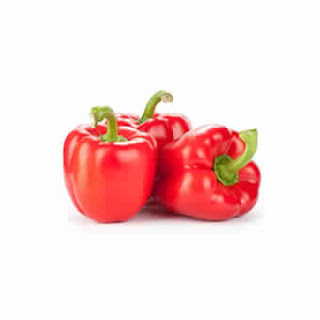
How To Grow Red Peppers Hydroponically
Image
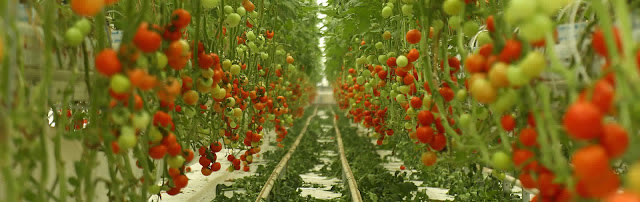
The rising health consciousness among consumers has made people research and adapt to the more sustainable types of organic vegetable farming in India where the yield promises to be healthier and free of harmful chemicals. Hydroponic farming and gardening is one such method which is gaining immense popularity because of the extensive benefits it offers. Hydroponic farming is done without the use of soil and can be installed even in the smallest of places which are easily accessible. The plants can be cultivated in materials like cocopeat,  etc. which allow water-mixed nutrient solution to seep through the roots easily. Since, the cultivation isn’t dependent upon soil and weather conditions if it is in enclosed space, one can regulate the production as per their wish. However, testing and monitoring at regular intervals is necessary to maintain the nutrient concentration of the plants. This enables keeping a track of the health of the crops, diagnosing problems if any and jus...

The Basics of Hydroponics Fruits and Vegetables

Image
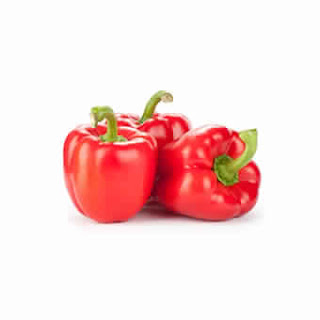
If hydroponics has caught your fancy we suggest you ponder over it and find out a little more about the basics before growing hydroponic fruits and vegetables . You may like the idea of growing vegetables and fruits at home or commercially, but like most things living, these plants respond well to a routine care. If you are set on following the idea of hydroponic farming, it will do you good to know a few basics about the process. 1st step: Know your plant Choosing a vegetable or fruit to grow hydroponically, requires the know-how about the plant dynamics. For instance: what kind of weather does it grow in, what kind of nutrients does it need, the precautions you should take while caring for it and how to enhance its productivity without hampering its natural growing process. Hydroponic peppers for instance, need plenty of water, are delicate in their innate stage and while bearing fruit. They need protection against harsh sun, pests and chemicals spoil their taste. 2nd Ste...

Vegetable Farming in Commercial Food Production

Image
Almost everything good that we eat attributes its flavours to fruits and vegetables, but with growing food market, manufacturers have resorted to artificial flavouring to compensate for the lack of rapid supply. It is the truth that vegetable farming in India is unable to match up to the growing market needs. Farmers often face disappointing produce due to their lack of know-how, lack of funds, unavailability of good seeds and unpredictable weather conditions. Thankfully Hydroponic technology has made its way to the country. Hydroponics, as the name suggests, use water to grow the plants. This method is derived from the Dutch people and their agricultural methods are known to produce the highest quality fruits and vegetables that contribute to a fairly large amount to the world vegetable and fruit export. The Dutch hydroponic system doesn’t just allow them to support the economy with fruit & vegetable trade, but also makes them self sufficient to contribute to their country’s...

How Hydroponic Growing Systems Work?

Image
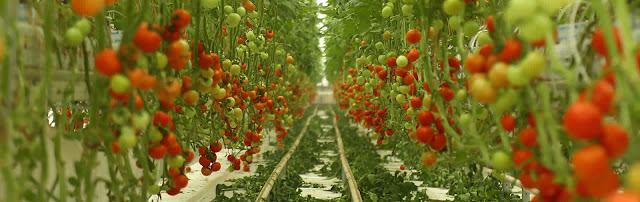
While it may sound intimidating, Hydroponic system is as easy as placing a stem of a plant in water, which eventually grows roots. It is really a form of agriculture that is practiced without soil. The nutrients the plants often derive from soil is simply dissolved in the water that is fed to the plants. With the lack of arable land around the world, vegetable farming in India has seen a new ray of hope in Hydroponics system of farming. Hydroponics use an inert medium such as Rockwool or Coco-peat to germinate the plants. A nutrient rich solution is fed by drip irrigation to the roots directly, and coco peat absorbs the nutrients completely, and allows the roots to get a healthy flow of Oxygen as well. Mostly large scale Hydroponics agriculture happens in large greenhouses, which are often facilitated with temperature control and misting systems to balance the environment, control humidity levels to give the plants the optimum environment to flourish. Given the high amount of ...

Gardening Tips for Organic Vegetable Farming in India

Image
In this day and age when pollutants have spread across various processes of agriculture, Organic farming has emerged as the new beacon of hope for those who are conscious about what they eat. It is an agricultural practice that involves no use of chemicals at any level, giving you naturally nutritious fruits and vegetables that only adds to your health. While there are various aspects of organic farming that may sound intimidating for a beginner, in the long run it is the most beneficial.  Hydroponic fruits and vegetables are equally nutritious if you consider a more advanced approach that gives more yields. While organic farming circles around the nutrition of the soil, hydroponic system uses an inert medium that assures better absorbency and better drainage. Organic farming relies heavily of soil quality, so choosing the top soil perfectly becomes imperative. Use of compost becomes an additional process of Organic farming. ?if you choose hydroponics you can do well by just bu...

5 Advantages of Hydroponic Cucumber Production

Hydroponics is a process of growing plants, vegetables and fruits without the use of soil. ‘Hydro’ means water and ‘Ponos’ means labour. Thus, as the name suggests, plants are grown with the help of water and other nutrients deemed necessary for its cultivation. Hydroponic fruits and vegetables are not only convenient to grow but stay fresh for a longer period of time and are healthier for consumption. Ample variety and amount of vegetables and fruits can be grown including the off-seasonal ones with the help of hydroponics. Cucumber, Lettuce, Tomato, Peppers, Strawberries, Herbs, Leafy Veggies, Flowers and so on. Here is a sneak peek into 5 advantages of hydroponically grown vegetables like the widely grown hydroponic cucumber production . 1. Off-season cultivation All thanks to hydroponics, cucumbers can easily be grown around the year since the diverse climatic conditions play a minimal role in indoor farming. The technique is free of soil as well, thereby leaving the time and...

Take Control of What You Eat by Organic Farming!

Image
With the onset of fast food and its easier accessibility, we all find ourselves following unhealthy dietary patterns. Packaged food may be easily accessible and feasible at the moment making more space in our refrigerators than the space consuming vegetable and fruits. Aerated drinks are brought over the counter in a matter of seconds whereas anything and everything that grows organically are given second thought before being purchased. However, there’s a silver lining that’s rapidly forming through the food pattern spectrum these days. We call it mindful eating. There are several components of mindful eating and to describe it best, organic food consumption actively support the statement. It states mindfully choosing the food they want and require for an enriched health and stress-free lifestyle. Organic vegetable farming in India has made its foray by finding bigger shelves in supermarkets with labels such as “Organic pulses”, “organic ghee” etc. This testifies to the fact that...

Why You Should Choose Organic Farming?

Image
If you knew the number of chemicals that are used in conventional forms of farming, you would be shocked. Sometimes, it goes up as dangerously higher as 600 chemicals and the average consumption by a human of such chemicals is no less than 15 pounds. Imagine the amount of damage this could do to your body! Several scientific organizations have recently discovered the long-term hazards of consuming such toxins. The FDA lobby has been severely criticized by food activists for engaging in lukewarm testing methods that don’t tell the clear picture until it is very late. Several studies show that organic farming is absolutely imperative in this day and age to the masses to combat the new fangled diseases that are mushrooming faster than methods of diagnosis or treatment. The amount of nutrients and minerals are fairly more in the organic produce, while conventional forms of farming simply lack the minimum allowance of nutrient intake. Organic food eaters swear by the taste of organic p...

3 Easy Ways to Eat Healthy Vegetables

Image
Nowadays more people are becoming conscious of their health and the reason for such thinking is all around us; junk food. The amount of junk food consumption has increased among the people causing obesity and food related complications on the rise. The unhealthy diet had to be stopped or reduced; hence people are searching for a healthier diet to get back in shape and fit. By increasing the intake of vegetables and fruits while reducing junk foods can help in containing the obesity in the population. Since we are now totally used to this new world of junk food and obesity, it is difficult for some of us to change our diet pattern and start eating veggies and fruits instead of junk food. There is a myth that healthy food can only be consumed raw and does not taste good, but it is totally wrong. Fruits and veggies are one of the tastiest gifts from the nature. The use of chemicals to grow fruits and veggies has already encouraged people to consider shifting to healthier food habits...

Advantages of Hydroponic Gardening

Image
Hydroponics is the process of soil free plant cultivation. This method of growing plants is usually done inside a greenhouse facility with the help of a nutrient solution. Hydroponic is a relatively new method of farming that has created a ripple in the farming sector around the world with a multitude of advantages over conventional farming. Many large scale farming sectors all around the world have shifted from traditional farming to hydroponic farming to increase the yield and quality of their produce. Given below are some of the advantages of hydroponics; Soil-less cultivation : Hydroponics is all about soil-less cultivation. A garden without any soil leaves less chance for dirt and mess. You can spend time in your garden and need not worry about carrying soil borne germs inside your home. Saving space : Hydroponics can be grown literally anywhere, from your balcony to a spare bedroom. It does not require a large amount of space to set up. In a time or space crunch, hydroponi...

Hydroponic Nutrients: The Basics

Image
With conventional farming consuming a lot more time and efforts of the farmer, hydroponic farming has become one of the latest, more feasible way of growing vegetables. Who would have ever imagined farming without soil being involved? But hydroponic technique does the same, in a shorter span of time with the plant growing directly as its roots are immersed in the nutrient filled solution, allowing it to absorb. Hydroponic vegetables are usually grown in Greenhouses, in a completely controlled atmosphere. They take up just as much as one-fifth of the land and space required in traditional farming and there is no worrying about the soil strength or the appropriate vegetating sessions because the outside temperature plays no role in the growth of the veggie. There is an abundance of nutrients to choose from, for the better quality of your veggies. The nutrients/fertilizers used in hydroponic systems are available in both liquid and dry forms and in both organic and synthetic types...

A Beginners’ Guide to Hydroponics Gardening

Image
‘hydro’ meaning water and ‘ponos’ meaning labor. Plants are grown hydroponically inside a climate controlled greenhouse facility protecting plants from pests and bad weather. Hydroponics cultivation uses almost 90% less water than traditional farming, making this a highly eco-friendly method of farming. Some of the best hydroponics in India produce hydroponic peppers , strawberries, tomatoes and much more. Hydroponics is a simple and practical way to grow plants that require less space. We can set up hydroponics in our own balcony or terrace with little or no investment required. The benefits of hydroponic gardening include a pest and pesticide free produce (less chances of having a pest and minimal Pesticide) and water saving capabilities. It has also been proven that growing plants hydroponically has faster growth rate than growing them in soil. By providing essential nutrients to the plant directly, ensures all the energy of the plant is devoted to growing healthy. A growin...

Hydroponic Nutrients: What You Need To Know

Image
Traditionally plants obtain their nutrition from the soil. But in hydroponic farming, these nutrients are supplied to the plant through nutrient-rich solutions that are soluble in water. These nutrients are the essence of hydroponic farming. Since all of the plant's nutrition has to be derived from a solution, it is best for the beginners to use a pre-mixed solution which is readily available in the market. This way you are least likely to go wrong with your practice. However, it does not mean that the required solutions for your plant cannot be created at home or on your farm. This would just require some practice and knowledge about the plant you intend to grow. You can choose from a variety of solutions that are available in the different price range. The choice of the nutrients also varies with formulations – synthetic/ refined minerals and organic based nutrients. Both kinds of hydroponic solutions are equally effective in their roles but since people across the globe a...

Hydroponics: The New Face of Farming

Image
Vegetable farming in India is a means of livelihood for the vast number of agrarian population of the country, but the unprecedented conditions paint a dark picture. We as humans are the result of a lifelong process of evolution, always adapting ourselves to the ever changing environment. We evolved from being hunters and nomads to living in a settled civilisation, all along changing things around us to suit to our needs. Our existence today is because of an age old saying ‘survival of the fittest’. Mastering the art of survival has led to the drastic increase of population and a wide spread decrease in resources to feed them. We adopted farming to sustain ourselves and started settling near water sources. Farming has since become the backbone of our society that has overtime been replaced with high yield seeds and better fertilizers to obtain more produce from the limited agricultural spaces. The innovations in traditional farming had its drawbacks in the form of pesticides a...